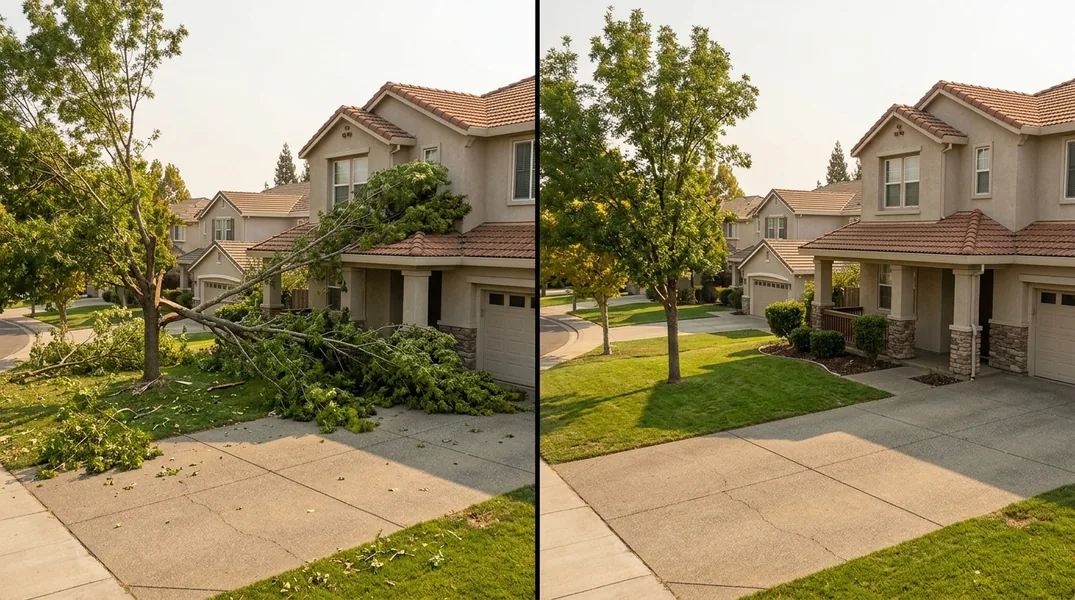
Understanding Roseville's Oak Tree Ordinance
If you own property in Roseville, you need to understand the city's oak tree ordinance before making any decisions about tree removal or significant pruning. California's oak woodlands are irreplaceable ecosystems, and Roseville has implemented strict regulations to protect these native trees. The ordinance applies to oak trees that meet certain size requirements, and violations can result in substantial fines and mandatory replanting requirements.
The city's approach reflects a broader California commitment to preserving oak habitat. Native oaks provide critical ecosystem services, including wildlife habitat, water conservation, and soil stability. When you're considering Tree Removal on your property, the first step should always be determining whether your trees fall under protection status. Understanding these rules protects both your property rights and the local environment.
What Qualifies as a Protected Oak Tree in Placer County
Not all oak trees in the area receive the same level of protection. The Roseville oak tree ordinance typically protects native oak species that meet a minimum diameter threshold, usually measured at breast height (DBH). This measurement is taken approximately 4.5 feet above ground level. Oak trees that reach or exceed this threshold are generally considered protected under local regulations, though there are some exceptions for dead, diseased, or hazardous trees.
Native oak species commonly protected in the Placer County area include coast live oak, black oak, valley oak, and blue oak. Each species plays a unique role in the local ecosystem. If you're unsure whether a specific tree on your property qualifies for protection, it's wise to consult with a professional before taking action. Removing a protected oak tree without proper authorization can result in fines ranging from hundreds to thousands of dollars, plus mandatory replacement trees. When in doubt, contact a local arborist or the city's planning department for clarification before proceeding with any work.
Tree Removal Permit Roseville: When You Need One
A Tree Removal permit in Roseville is required for most work involving protected oak trees. The permit process ensures that removal or significant pruning is justified and that appropriate mitigation measures are in place. You'll typically need a permit if you're removing a protected oak, performing work that affects more than 25 percent of the tree's canopy, or grading within the tree's drip line. The drip line is the area directly beneath the tree's outermost branches, which is where most of the tree's feeder roots are located.
The application process requires you to submit detailed information about the tree, the reason for removal or pruning, and any mitigation plans. The city reviews these applications to ensure compliance with environmental standards. If your tree is dead, diseased, or poses an immediate safety hazard, you may qualify for expedited processing or exemptions. However, you still need to document the condition and provide evidence supporting your claim. Homeowners who attempt to remove protected trees without permits often face enforcement action, so it's always better to go through the proper channels upfront.
Exceptions to Oak Tree Protection Rules
While Roseville's oak tree ordinance is comprehensive, there are specific situations where exceptions apply. Dead trees that pose no ecological value may be removed without a permit, provided you can demonstrate they're truly dead. Diseased trees that threaten the health of surrounding vegetation or pose safety risks may also qualify for removal. Trees that are actively hazardous, such as those with major structural damage or branches hanging over structures, often receive expedited approval or exemptions from the standard permit process.
Additionally, certain small-diameter trees and trees on active agricultural land may have different requirements. Trees that interfere with utility lines or pose fire hazards in high-risk areas may also be treated differently under emergency provisions. The key is documenting your situation thoroughly. If you believe your tree qualifies for an exception, gather photographs, arborist reports, or other evidence supporting your case. Professional arborists familiar with local regulations can help you navigate these nuances and determine whether your specific situation qualifies for an exception. This is one reason why consulting with experienced professionals before taking action is so valuable.
Working with a Local Professional for Compliance
Navigating Roseville's oak tree regulations is complex, which is why many homeowners choose to work with local professionals who understand the rules inside and out. A qualified arborist can assess your trees, determine whether they're protected, help you understand your options, and guide you through the permit process if necessary. They can also advise whether Tree Trimming & Pruning might be a viable alternative to removal, potentially preserving your tree while addressing your concerns.
Roseville Tree Service has extensive experience with local ordinances and can help you avoid costly mistakes. Whether you need a free estimate for a specific tree or guidance on what's permitted on your property, our team can provide clear answers. We handle everything from initial assessment through permit acquisition and final work. Call us at (916) 245-7270 to discuss your situation with someone who knows the local rules and can help you move forward confidently.
Mitigation and Replacement Requirements
If your permit application for Tree Removal is approved, you may be required to implement mitigation measures. The most common requirement is replanting native oak trees or other native species to offset the loss. The number and size of replacement trees typically depend on the diameter and species of the removed tree. Mitigation ratios often require planting multiple smaller trees to replace one large mature tree, reflecting the long-term ecosystem value of established growth.
Replacement trees must usually be native species suitable for the local climate and soil conditions, and they must be maintained for a specified period, often three to five years, to ensure establishment. Some properties may not have adequate space for on-site replanting, in which case you might contribute to an off-site mitigation program or pay into a tree preservation fund. These requirements exist to ensure that while some removal is necessary, the overall oak canopy and ecosystem health in the region is maintained. Understanding these obligations upfront helps you budget appropriately and plan your property improvements accordingly.
Looking for a professional tree service contractor in Roseville? Roseville Tree Service responds fast for all your tree service needs.
Get a Free QuoteOur services: Tree Removal · Tree Trimming & Pruning · Stump Grinding